
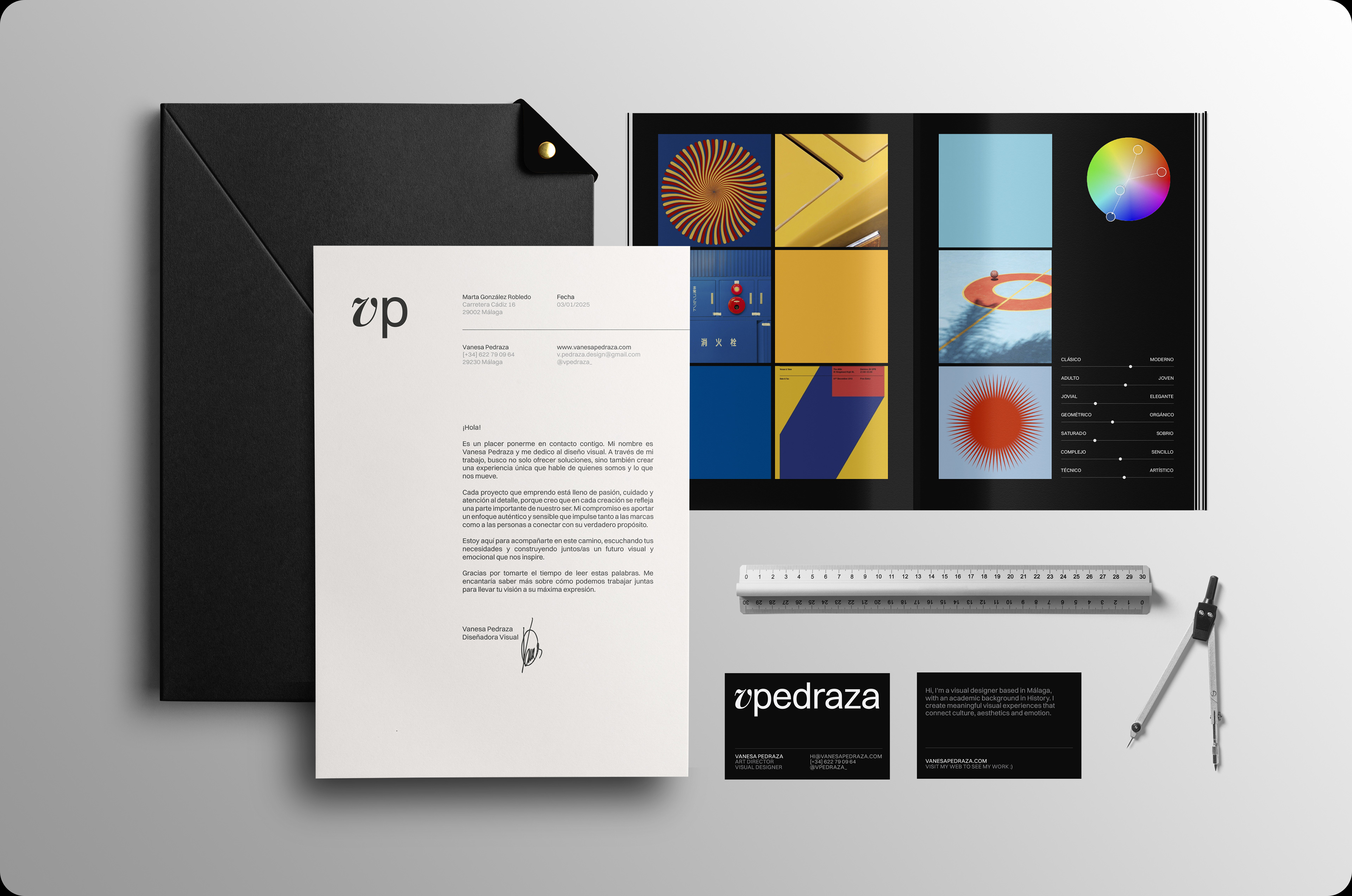
Thinking in terms of personal branding can dehumanise our interactions, prioritising external perception over authenticity.
Admitting that we don’t know something and simply replying “I don’t know” every now and then seems to have become taboo. We worry more about appearing to always have an answer, when in reality nobody is born with a database installed in their brain. I think that, in part, the need to create a personal brand stems from the belief that people with similar goals to yours pose a threat, a competition. However, no one in the world is exactly like us: no one has exactly the same life experience as us. When we think of a human being as a brand, we are reducing their identity to a set of characteristics that fit within what the market expects of us.
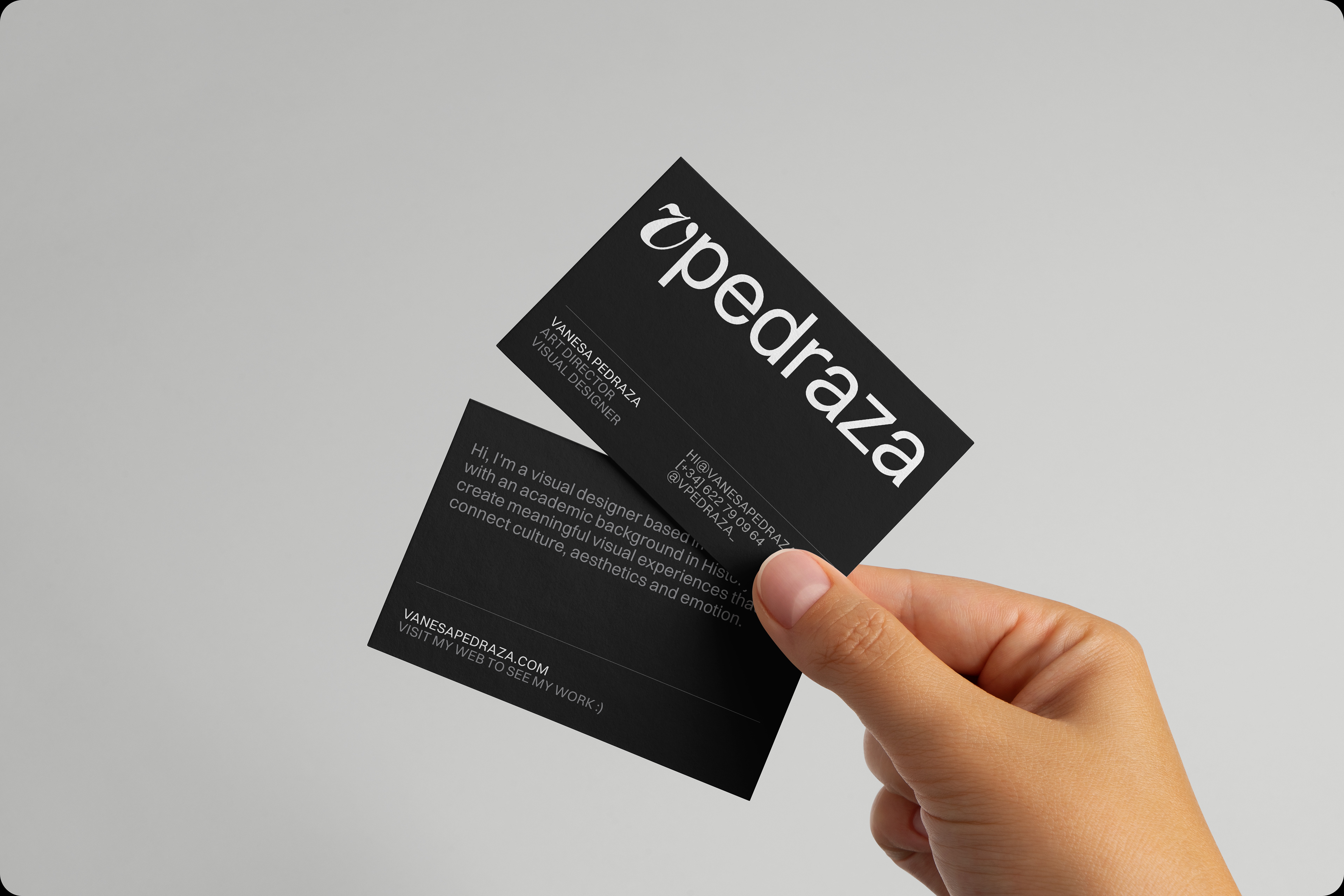
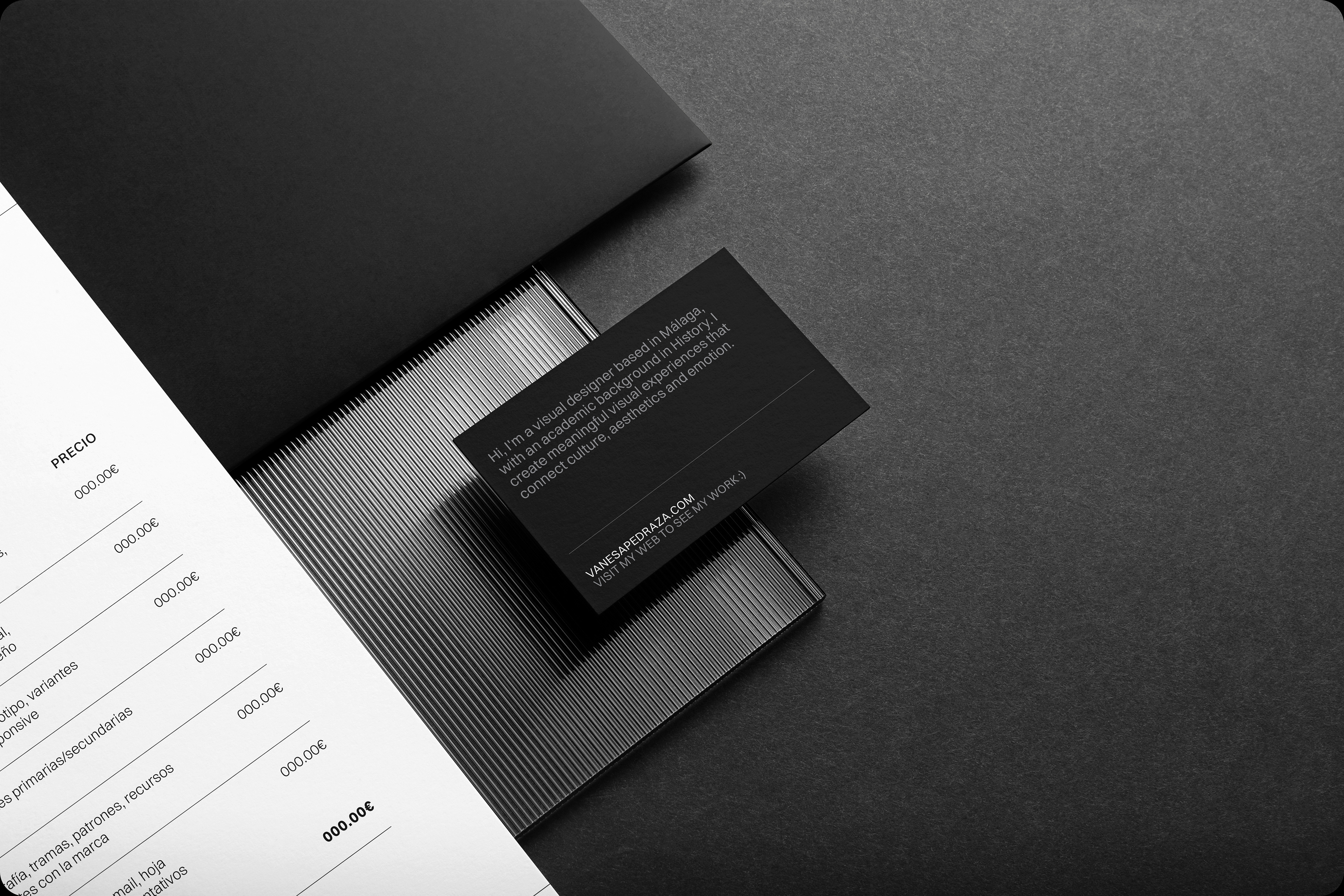
What defines me today may not represent me tomorrow, but the deepest essence always prevails.
The solution is simple, as simple as the fact that people are so complex that if we tried to show ourselves authentically, a brand could not represent each and every facet of our personality.
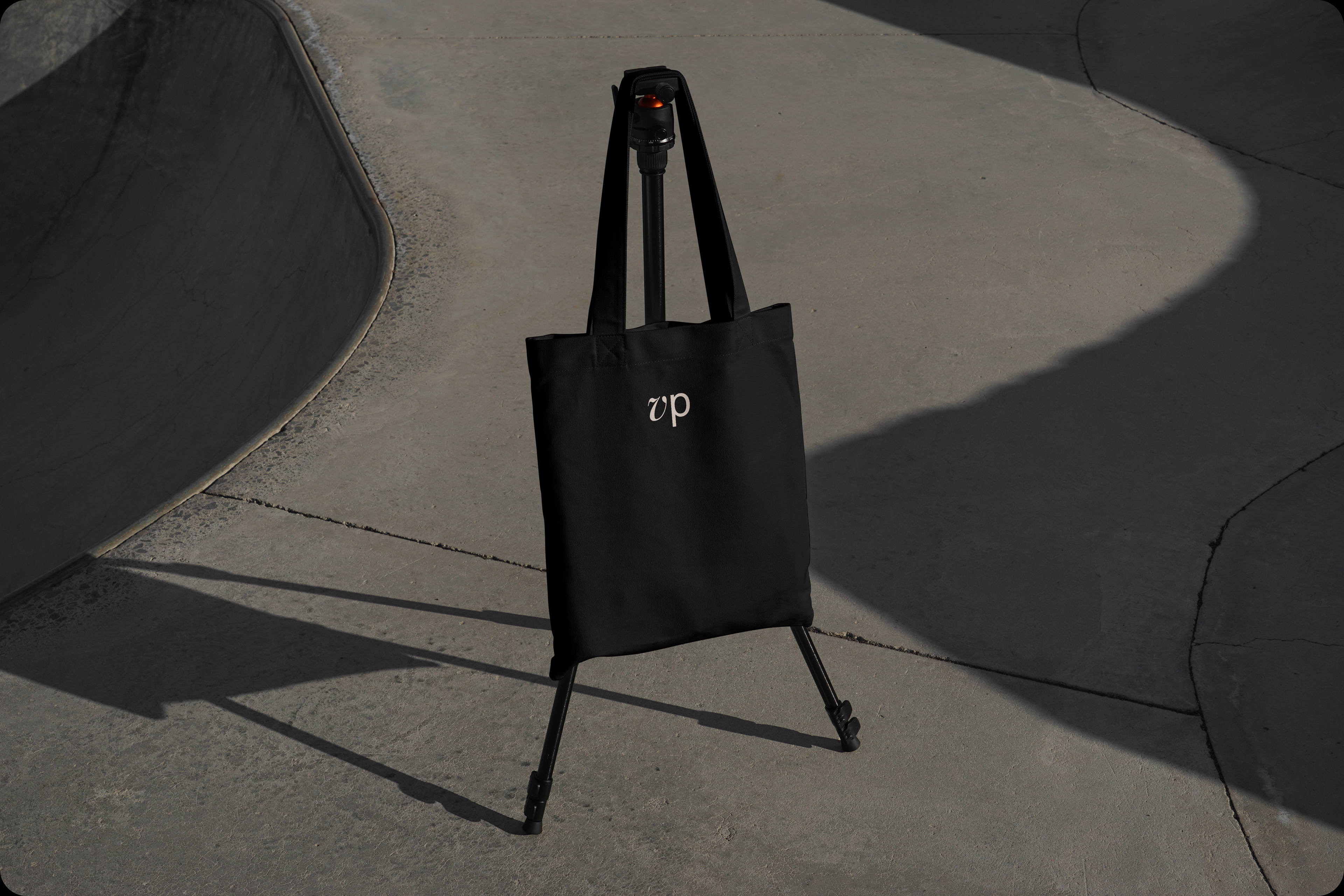
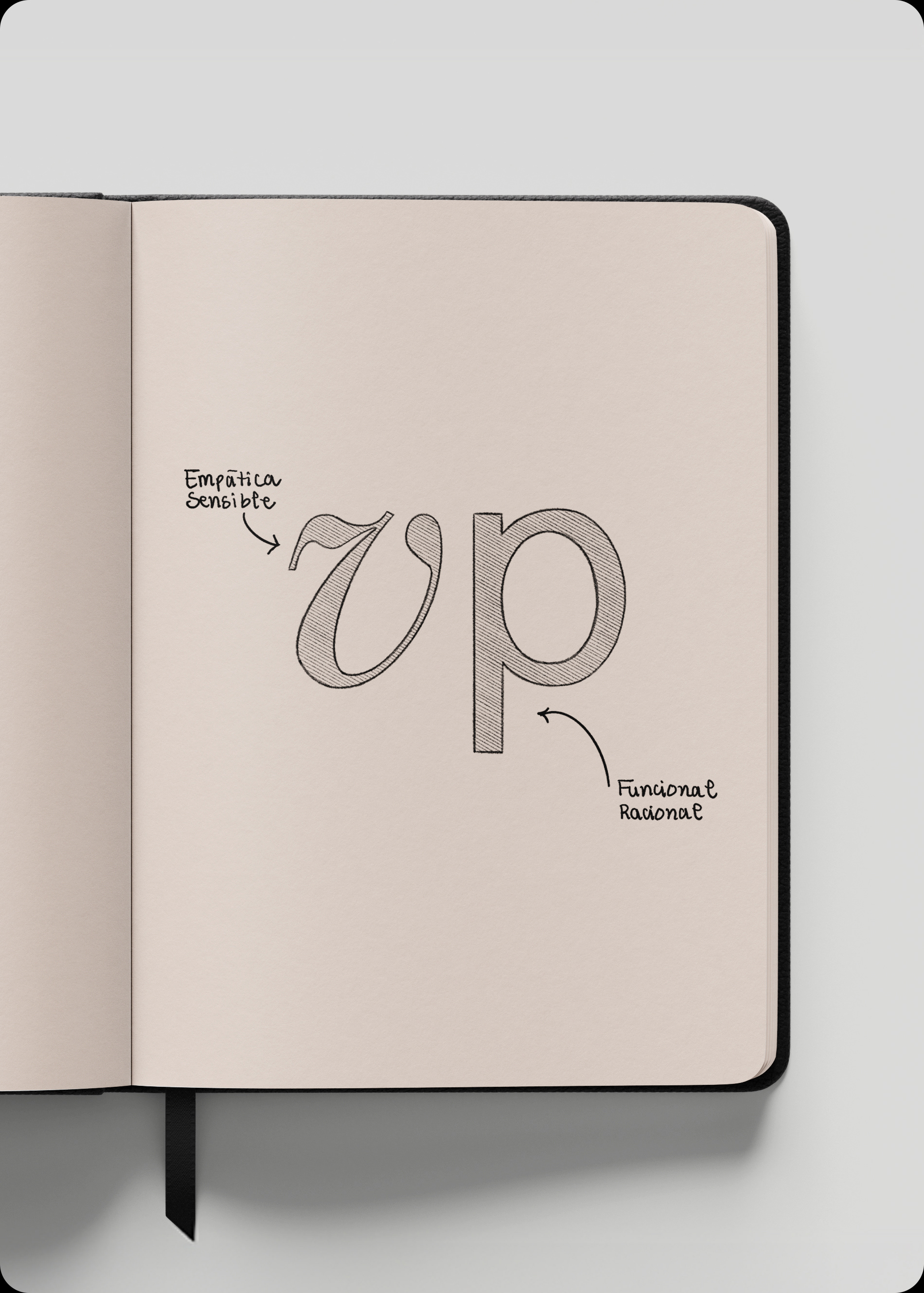
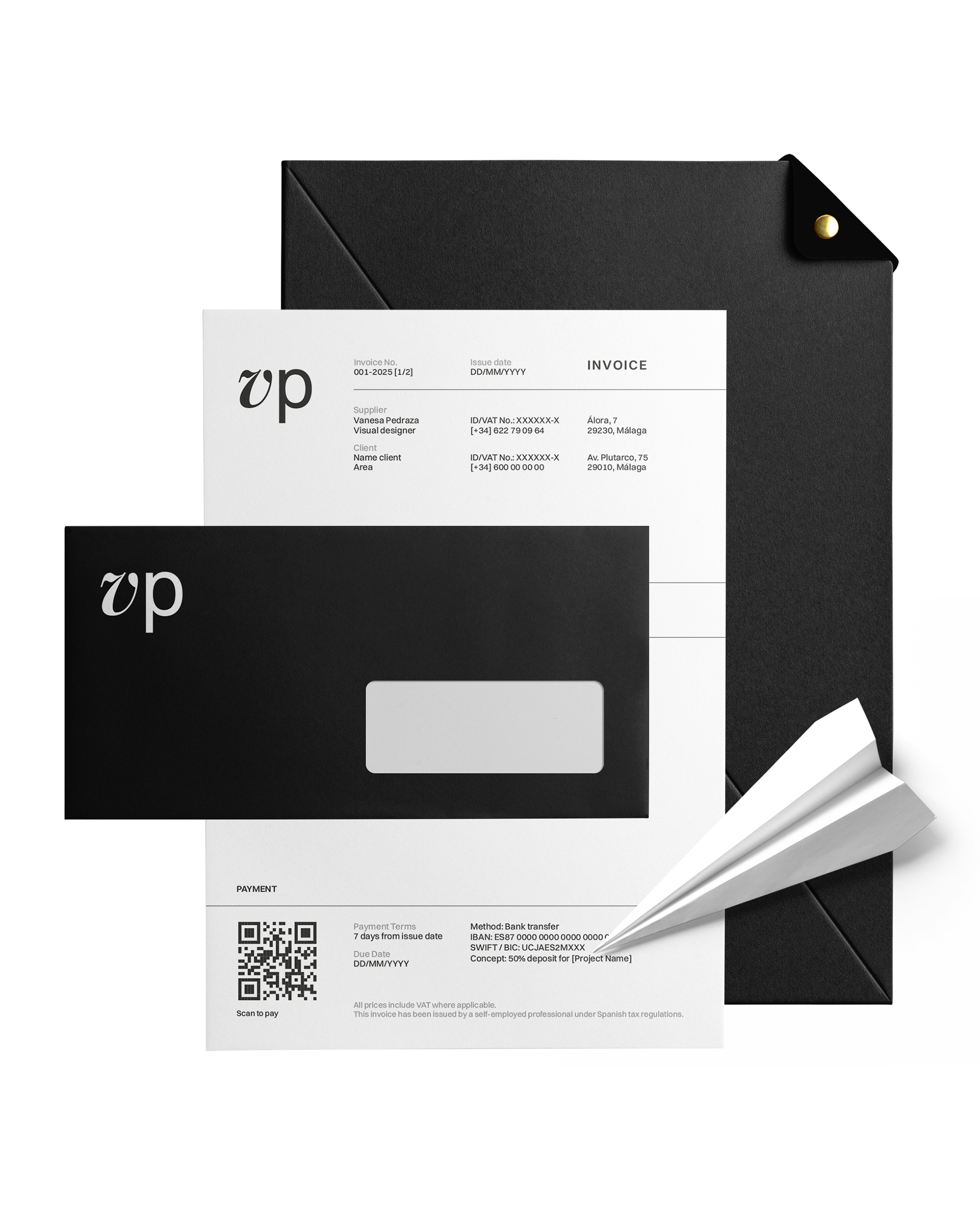
My personal brand embodies the two sides of me that define who I am at my core and shape me as a designer: on the one hand, sensitivity and empathy; and, on the other, my more rational and practical side. For me, dedicating myself to design means following my most basic instinct: the need to create and express. I trust that my work speaks for itself, so my intention is to create a timeless personal brand, with no underlying meaning beyond the simplest essence of my being.